
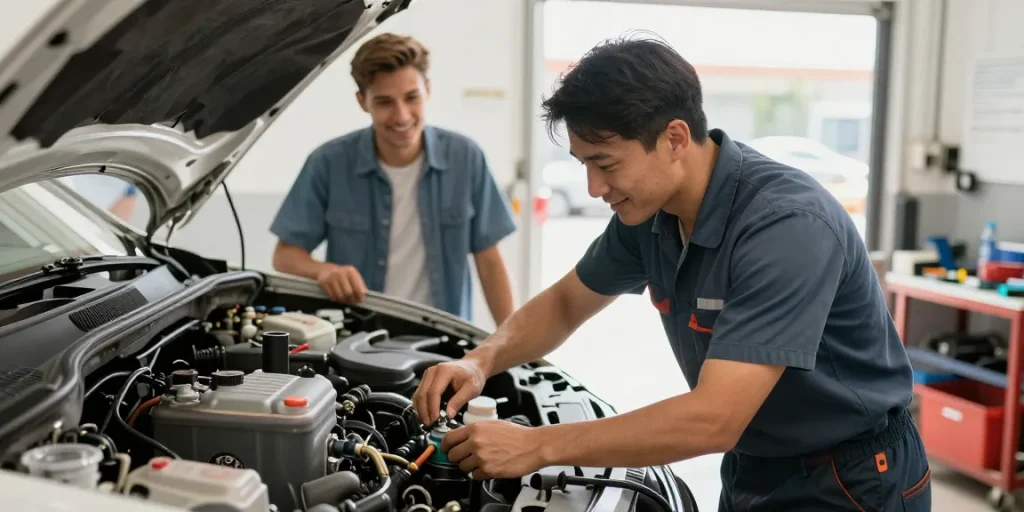
As a responsible vehicle owner, understanding the signs and implications of low coolant levels can save you from both immediate danger and expensive repairs. Your car’s cooling system is vital for maintaining optimal engine performance, especially during the sweltering summer months when temperatures soar. Recognizing low coolant symptoms early can mean the difference between a simple top-up and a catastrophic engine failure. This guide will help you navigate the essential do’s and don’ts when it comes to low coolant issues, provide insights to help you understand the risks involved, and equip you with the knowledge to take immediate action. With this information, you can make informed decisions, foster community trust, and ensure the longevity of your vehicle. Whether you’re a homeowner managing your family car or a property manager overseeing a fleet, knowing how to respond to coolant issues is crucial.
Understanding Low Coolant Symptoms
Monitoring your vehicle’s coolant level is fundamental for keeping your engine healthy. Let’s delve into the recognized low coolant symptoms you should be aware of to avoid serious vehicle malfunctions.
What are the Signs of Low Coolant?
There are several signs that indicate your vehicle may be experiencing low coolant levels:
- Engine temperature is higher than normal: A rising temperature gauge on your dashboard can signal insufficient coolant.
- Less cold air conditioning: If your AC fails to cool the cabin effectively, it might be a symptom of low coolant.
- Engine fan runs continuously: This could mean the fan is trying to compensate for overheating due to low coolant.
- Sweaty, sweet smell: A sweetish odor may indicate a coolant leak, which should be addressed immediately.
- Check coolant level: If you open the hood and the coolant is below the minimum mark, this is a clear sign of trouble.
Potential Risks of Driving with Low Coolant
Continuing to drive with low coolant can pose substantial risks, including:
- Overheating: Insufficient coolant leads to a rise in engine temperature, which can cause serious damage.
- Head gasket failure: Overheating may result in a blown head gasket, costing thousands in repairs.
- Completely engine failure: Ignoring low coolant can lead to permanent engine damage requiring extensive repairs or even engine replacement.
Importance of Regular Coolant Checks
It’s essential to routinely check your coolant levels to prevent sudden failures. Ignoring this simple maintenance can have dire consequences. Regular vehicle inspections—either at home or via a certified mechanic—will not only promote engine longevity but also ensure safety on the road.
Immediate Responses to Coolant Issues
When you observe any of the symptoms outlined above, acting quickly can mitigate potential damages. Here’s what you should do:
What to Do When You Notice Low Coolant Symptoms
If you’ve identified any signs of low coolant, follow these immediate steps:
- Check the coolant level when the engine is cold.
- Top up with the appropriate coolant type, matching your vehicle’s specifications.
- Inspect for any visible leaks under the vehicle or around the engine compartment.
- Monitor temperature levels over the following days to ensure they remain within the normal range.
Emergency Procedures: When to Call a Mechanic
If you notice that the coolant levels are consistently dropping or if the engine temperature escalates despite topping up, it’s time to contact a licensed mechanic. Ignoring persistent high temperatures or leaks can lead to more extensive repairs and risky situations on the road. Seek immediate help if you experience:
- Continuous overheating despite coolant topping
- Unusual smells or sounds coming from the engine
- Visible coolant leaks
Steps to Safely Top Up Your Coolant
When topping up coolant, follow these safety precautions:
- Always wait for the engine to cool before opening the coolant reservoir.
- Use only the type of coolant recommended by the vehicle manufacturer.
- Never use water as a temporary solution, as it can lead to corrosion and inefficient cooling.
Preventing Low Coolant Problems
Preventative maintenance is key to avoiding costly repairs in the future. Here are some strategies to keep your coolant system effective:
Common Causes of Coolant Loss
Understanding why coolant levels drop can help prevent future issues. Typical causes include:
- Leaks: Radiator cracks, hose leaks, or faulty seals can all result in coolant loss.
- Damaged water pump: A malfunctioning water pump may not circulate the coolant properly, leading to overheating.
- Worn hoses and belts: Over time, hoses can develop cracks, leading to leaks.
- Blown head gasket: This severe issue can allow coolant to escape into the engine.
Keeping Your Cooling System in Check
Maintaining your cooling system requires regular inspections. Follow these recommendations:
- Regularly inspect coolant levels when checking oil or tires.
- Flush the coolant system every 30,000 miles or according to your vehicle’s manual.
- Check the condition of hoses and belts during every routine service.
Effective Maintenance Tips and Best Practices
Implementing a few simple practices can keep your cooling system in the best shape:
- Establish a schedule for coolant inspections alongside regular oil changes.
- Utilize high-quality coolant products that meet your vehicle’s specifications.
- Consult with your mechanic for recommended coolant maintenance schedules.
Cost Implications of Ignoring Low Coolant Symptoms
Failing to address low coolant symptoms can lead to significant financial repercussions. Here’s what you can expect:
Estimated Repair Costs Associated with Coolant Issues
The costs of repairs can range significantly:
- Coolant top-up: Typically around €20–€50.
- Radiator or hose replacements: Can cost between €150–€500 depending on the extent of damage.
- Severe repairs (e.g., engine rebuilds): These can range from €1,000 to €3,000 or more if severe overheating occurs.
How Quick Interventions Save Your Wallet
Rapid responses to low coolant symptoms can prevent extensive damage and significant costs:
- Regular checks and timely interventions often save hundreds or thousands on repairs.
- Budgeting for routine maintenance can mitigate unexpected financial burdens.
- Insurance coverage for major repairs may be available, but read the fine print on exclusions.
Insurance Considerations for Major Repairs
Understanding your vehicle insurance can help protect against the unexpected costs of repairs. Check your policy for coverage on:
- Engine damage due to cooling system failures
- Roadside assistance for emergency repairs and towing services
- Coverage for rental vehicles during repairs
Selecting a Trusted Local Auto Repair Provider
Choosing a reliable mechanic can ensure your vehicle is in good hands. Here are some tips to guide your decision-making:
What to Expect from a Professional Mechanic?
When selecting a mechanic, ensure they offer the following:
- Licensed, bonded, and insured service for peace of mind.
- Warranty on repairs to safeguard against defects.
- A clear estimate of costs and timeframes before commencing work.
Evaluating Customer Reviews and Service Ratings
Consumer reviews are invaluable resources when evaluating potential mechanics:
- Check online platforms for customer feedback.
- Look for consistent ratings across multiple sites for a balanced view.
- Ask for personal recommendations from friends or family.
Understanding Licensing and Certifications
Verify your mechanic’s credentials to ensure a trustworthy partnership:
- Look for ASE (Automotive Service Excellence) certification as a mark of professionalism.
- Ensure the shop is affiliated with recognized automotive associations.
- Inspect their facility for proper equipment and cleanliness, reflecting quality service.
By staying proactive about coolant maintenance and carefully selecting a trusted local repair provider, you can safeguard your vehicle and wallet from the consequences of low coolant symptoms.