
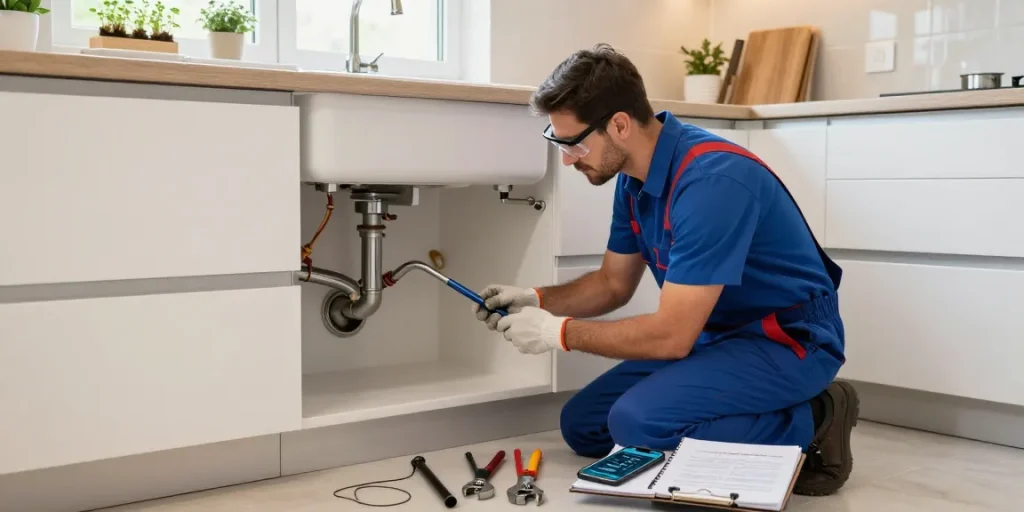
Understanding Blocked Drains in London
Blocked drains are a common issue for homeowners and businesses across London, leading to not only inconvenience but potentially harmful situations. Understanding the causes, symptoms, and prevention methods is crucial to maintaining a healthy drainage system. When exploring options, blocked drains london provides comprehensive insights into common challenges and effective solutions for drainage issues.
What Causes Blocked Drains?
Blocked drains can occur for a variety of reasons, many of which are closely tied to everyday activities and environmental factors. Some of the most prevalent causes include:
- Accumulation of Grease and Fat: Cooking oils and greasy substances often solidify in pipes, creating blockages over time.
- Hair and Soap Residue: Bathrooms are particularly susceptible, as hair can easily combine with soap scum to form clogs.
- Foreign Objects: Items like wipes, dental floss, and other non-flushable materials can obstruct drains significantly.
- Tree Roots: In search of moisture, roots can penetrate the pipes and block or even crack them.
- Poor Drainage Design: Sometimes, initial installation problems can lead to persistent issues.
Common Symptoms of Drain Blockage
Recognizing the symptoms of blocked drains early can save you from costly repairs and health hazards. Common signs include:
- Slow Draining Water: Water that takes longer than usual to drain can indicate a buildup within your pipes.
- Unpleasant Odors: Foul smells can arise from stagnant water and decomposing materials in your pipes.
- Gurgling Sounds: Unusual noises when flushing toilets or draining sinks may suggest air trapped in the pipes.
- Overflowing Water: Visible water pooling around drains or backflows in sinks or bathtubs can signal significant blockages.
Health and Safety Concerns
Blocked drains can lead to serious health risks due to the growth of bacteria and harmful pathogens. Water stagnation can also attract pests, which further complicates the issue. Ensuring that your drainage system is functioning correctly is essential for maintaining a safe environment, especially in densely populated areas like London.
Choosing the Right Drainage Solution
When faced with blocked drains, selecting the appropriate solution is key to resolving the issue effectively. Let’s explore the various options available.
Professional Drain Cleaning Services
Engaging a professional service for drain cleaning is often the most effective solution. Experts are equipped with specialized tools and experience to handle severe blockages, performing tasks such as:
- High-Pressure Water Jetting: A powerful method for clearing stubborn blockages using pressurized water.
- Drain Snaking: A flexible auger that can reach deep within pipes to dislodge clogs.
- Camera Inspections: Modern technology allows for thorough inspections of pipelines, identifying issues without invasive methods.
DIY Methods for Unblocking Drains
For less severe blockages, there are several DIY methods you can try before calling in the professionals:
- Boiling Water: Pouring boiling water down the drain can help dissolve grease and soap scum.
- Baking Soda and Vinegar: This combination can create a fizzy reaction that may help break down minor clogs.
- Plunger: A trusty plunger can help remove blockages by creating suction and pressure.
When to Call an Expert
It’s wise to call in a professional when:
- The blockage is recurrent or persistent despite your efforts.
- There are signs of water damage or structural issues in your property.
- You notice unpleasant odors that do not resolve.
Preventative Measures for Homeowners
Taking proactive steps can save you time and money in the long run. Maintaining your drains regularly is crucial.
Regular Maintenance Tips
Implementing regular maintenance practices can significantly reduce the likelihood of drain blockages:
- Regular Inspections: Check your drains regularly for signs of wear or blockage.
- Cleaning: Clean out your drains with a mix of baking soda and vinegar monthly.
- Avoid Cooking Fats: Dispose of cooking oils and fats in appropriate containers instead of pouring them down the sink.
Best Practices for Drain Care
Encouraging good habits in your household can dramatically improve your drainage system:
- Use Drain Covers: Prevent hair and debris from entering drains by using mesh covers.
- Be Cautious of What You Flush: Promote a “flush only toilet paper” policy in your home.
Tools and Products to Consider
Having the right tools at hand can help you maintain your drains effectively:
- Drain Snake: A handy tool to quickly address minor blockages.
- Plunger: Useful for clearing clogs manually.
- Eco-friendly Drain Cleaners: Opt for biodegradable products to avoid harming your plumbing.
Understanding the Costs of Drain Solutions
Budgeting for drain solutions is essential for homeowners. Understanding typical costs can help you prepare better.
Typical Pricing for Services
Costs can vary widely based on the nature of the blockage and the method of resolution. On average:
- Basic unblock services can range from £60 to £150.
- Deep cleaning or specialized services may rise to £200 or more.
Factors Influencing Costs
Numerous factors can influence the overall costs of drain solutions, including:
- The severity of the blockage.
- The location of the blockage.
- Accessibility of the drainage system.
Budgeting for Drain Repairs
Having an emergency fund for unexpected drain issues is advisable. Regular maintenance can also help mitigate large repairs later.
Future Trends in Drainage Solutions
As we move towards a more sustainable and technologically-driven future, the drainage industry is evolving to meet the demands of modern society.
Innovative Technologies in Plumbing
New technologies are changing how we approach drainage solutions:
- Smart Sensors: These devices can alert homeowners to leaks or blockages before they escalate.
- Advanced Drainage Systems: More efficient and durable materials are being developed to improve reliability.
Sustainability in Drain Services
As environmental concerns rise, drain services are looking towards more sustainable practices:
- Utilizing biodegradable cleaning agents.
- Implementing recycling practices for waste removal.
Expectations for 2026 and Beyond
The future of drainage solutions promises greater efficiency and environmental consciousness. Homeowners can anticipate more integrated systems that not only combat blockages but also promote sustainability.
What are the most common causes of blocked drains?
As highlighted earlier, common causes include grease buildup, hair accumulation, foreign objects, and tree roots intruding into pipes.
How can I prevent blocked drains in my home?
Regular maintenance, avoiding flushing inappropriate materials, and being mindful of what goes down your drains can prevent clogs.
When should I hire a professional for drainage issues?
Seek professional help when you encounter persistent blockages, signs of damage, or unpleasant odors that can’t be resolved with DIY methods.
What are DIY methods for unblocking drains?
Try boiling water, baking soda and vinegar mixtures, or using a plunger as initial solutions before seeking professional help.
How much should I expect to pay for drain cleaning services?
Costs can vary but expect to pay between £60 to £200 depending on the nature and severity of the blockage.