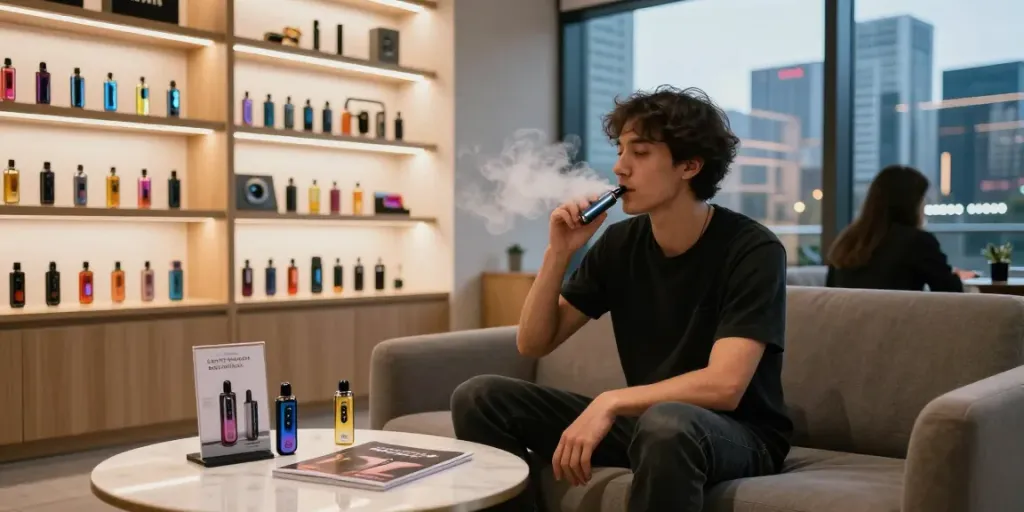
Understanding the Current Status of Vaping Regulations in the UK
As of 2026, the landscape of vaping regulations in the UK is significantly shaped by recent legislative changes and public health considerations. Vaping has become increasingly popular as an alternative to traditional smoking, leading to an expansive market defined by a variety of products, including rechargeable kits and e-liquids. However, with rising concerns over youth consumption and environmental impacts, understanding the current regulations is crucial for consumers and retailers alike. When exploring options, are vapes banned in the uk remains a pressing question amidst these evolving laws.
What Laws Govern Vaping in the UK?
The UK has a comprehensive framework governing vaping products, primarily focused on ensuring public safety and minimising health risks. The Tobacco and Related Products Regulations (TRPR) introduced in 2016 serve as the backbone of these laws, regulating the sale of e-liquids and devices. Key stipulations include:
- Responsible marketing practices that prohibit misleading health claims.
- Strict limits on the nicotine content of e-liquids, capped at 20mg/ml.
- Mandatory child-resistant packaging for all nicotine products.
In 2025, regulations were further tightened with the introduction of a ban on disposable vapes as part of broader environmental initiatives aimed at reducing plastic waste and discouraging single-use products. Retailers must adapt to these laws to ensure compliance and continue serving their customer base effectively.
Disposables vs Rechargeable Vapes: What’s Legal?
The significant changes to vaping laws primarily distinguish between disposable and rechargeable vapes. As stated earlier, the sale of disposable vapes became illegal, which has shifted consumer focus towards rechargeable options. Rechargeable vape kits are seen as a more sustainable choice, allowing users to refill with e-liquids, thereby reducing waste. In contrast, disposable devices are now considered illegal for sale in the UK market, with an emphasis on promoting long-lasting hardware that can accommodate e-liquids in various flavours.
Key Changes to Vaping Regulations in 2026
In 2026, the ongoing evolution of vaping regulations continues to reflect a balance between consumer choice and public health objectives. New guidelines have emerged, particularly concerning the marketing and distribution of vaping products to younger audiences. Initiatives include:
- Enhanced scrutiny on advertising and social media promotions targeting underage users.
- Encouragement of educational campaigns about the risks associated with vaping.
- Implementation of a registration system for retailers to ensure compliance with health and safety standards.
These legislative efforts aim to ensure that while vaping remains a viable alternative for adult smokers, it does not become a gateway for youth to nicotine addiction.
The Realities Behind the Disposable Vape Ban
Why Were Disposable Vapes Targeted for a Ban?
The recent ban on disposable vapes was driven by multiple factors, with environmental concerns at the forefront. Disposable vapes contribute significantly to plastic waste and environmental pollution, sparking debates on sustainability within the vaping community. Furthermore, these products are often favoured by younger users due to their convenience and accessibility, raising alarms about their role in nicotine addiction among minors. The public health implications, combined with environmental responsibility, prompted decisive action from lawmakers.
Effects of the Ban on Vapers and Businesses
This ban has immediate effects on both vapers and businesses within the industry. For vapers, the transition from disposable to rechargeable products may involve a learning curve regarding product maintenance and e-liquid selection. Businesses, on the other hand, are compelled to innovate and adapt their merchandise to meet new regulatory demands, offering a more extensive range of rechargeable kits and promotional educational resources about responsible vaping.
Alternatives to Disposable Vapes
In light of the ban, many consumers are now turning towards refillable and rechargeable vape systems as practical alternatives. Popular options include:
- Pod Systems: Compact and easy to use, pod systems provide a seamless transition for those used to disposable vapes.
- Modular Kits: For vapers seeking customizable experiences, advanced kits allow users to tailor their setups to their preferred vaping styles.
- Refillable Tanks: Users can choose from a wide variety of e-liquids, offering extensive flavour options and nicotine strengths.
By exploring these alternatives, vapers can enjoy enhanced experiences that align with new regulations while minimizing environmental impact.
Consumer Safety and Vaping: What You Need to Know
Understanding E-Liquid Ingredients and Safety Regulations
Consumer safety is paramount in the vaping industry. All e-liquids available in the UK must adhere to stringent regulations concerning their ingredients. These regulations require manufacturers to disclose all ingredients used in their products, ensuring transparency and accountability. Additionally, e-liquids must be manufactured in compliance with TPD regulations, which stipulate that:
- E-liquids must not exceed 10ml in volume for bottled liquids.
- All nicotine-containing products must undergo rigorous testing for quality assurance.
- Manufacturers must comply with specific labelling requirements to inform consumers.
These mechanisms are in place to protect consumers from potentially harmful substances and to enhance the overall safety of vaping products.
Age Restrictions and Purchasing Vaping Products
To combat underage vaping, the legal age to purchase vaping products in the UK is set at 18. Retailers are required to implement strict age verification systems to prevent illegal sales. This regulatory framework aims to curb access among minors, fundamental in ensuring that vaping remains a responsible choice for adults only. Understanding these age restrictions is vital for consumers and businesses alike.
Health Considerations for Vapers in 2026
As we move further into 2026, health considerations associated with vaping are receiving increasing attention. Research continues to explore the long-term effects of vaping, particularly the safety of e-liquid ingredients. It is essential for consumers to stay informed about potential health risks while experimenting with flavours and nicotine levels. Key considerations include:
- The importance of choosing high-quality, reputable brands to mitigate health risks.
- Avoiding unregulated products that may contain harmful additives.
- Understanding personal health factors, such as pre-existing respiratory conditions, before beginning to vape.
By staying informed and cautious, consumers can make educated decisions regarding their vaping experiences.
Choosing Vaping Products: A Guide for Beginners
Beginner-Friendly Vaping Kits and Accessories
For those new to vaping, selecting the right starter kit can be overwhelming due to the sheer number of options available. Beginner-friendly devices are designed for ease of use, enabling newcomers to enjoy a satisfying experience without the complexity of advanced setups. Recommended choices include:
- Pod Kits: Compact and straightforward, pod kits are ideal for beginners looking for convenience and portability.
- All-in-One Vape Kits: These kits often combine a battery and tank in a single device, making them user-friendly.
- Sub-Ohm Kits: For vapers ready to explore more robust flavours, sub-ohm kits offer higher performance and vapour production.
When selecting a kit, consider factors such as ease of refilling, battery life, and overall design to enhance your vaping experience.
How to Select the Right E-Liquid Flavour
The choice of e-liquid flavour can significantly influence your vaping experience. With a plethora of options from fruity to menthol and dessert-inspired flavours, finding the right match may take some experimentation. Here are some tips for choosing:
- Start with flavour profiles you already enjoy, such as fruit or mint.
- Consider nicotine strength; higher strengths are typically more satisfying for those transitioning from smoking.
- Try sample packs to explore different flavours without committing to large bottles.
These strategies can help make the selection process simpler and more enjoyable.
Tips for Transitioning from Smoking to Vaping
Transitioning from traditional smoking to vaping can be challenging, but with the right approach, it is achievable. Here are tips for a smoother switch:
- Select an appropriate nicotine strength that matches your smoking habits to reduce cravings.
- Choose a vaping device that mimics the feel of smoking, such as mouth-to-lung devices.
- Incorporate vaping into your routine gradually rather than attempting to quit cold turkey.
By following these tips, former smokers can successfully navigate their way into the world of vaping, enjoying both the experience and the health benefits it may offer.
The Future of Vaping in the UK: Trends to Watch
Emerging Vaping Technologies and Innovations
The vaping landscape continues to evolve, with innovations aimed at improving user experience and product safety. Emerging trends include:
- Smart Vaping Devices: Integrated technology in vaping devices is gaining traction, allowing users to monitor their consumption and adjust settings for a customized experience.
- Eco-Friendly Products: With growing environmental awareness, demand has shifted towards sustainable materials and manufacturing processes in vape production.
- Flavour Innovations: The introduction of new e-liquid flavours and formulations aims to enhance the vaping experience while adhering to safety regulations.
These advancements suggest a promising future for responsible vaping.
Public Perception and Attitudes Towards Vaping
Public perception of vaping is continuing to evolve, with many acknowledging its role as a smoking cessation tool while others express concerns about youth vaping. Ongoing education campaigns and research dissemination are pivotal in shaping how society views vaping. Engaging with these conversations can help mitigate stigma and promote responsible vaping practices.
Potential Future Legislation Impacting Vapers
As regulatory frameworks adapt to new challenges, vapers must remain vigilant about potential changes to laws that could affect product availability and guidelines. Continuous dialogue among stakeholders—ranging from health authorities to vaping businesses—is crucial for ensuring consumer interests are represented in future legislation.
What Can Vapers Expect Moving Forward?
Looking ahead, vapers can anticipate a more regulated landscape that prioritises health, safety, and environmental responsibility. While the ban on disposable vapes represents a significant shift, it also encourages innovation in rechargeable products and greater awareness of responsible consumption. By staying informed, vapers can navigate these changes effectively and enjoy the benefits of a thriving vaping community.