
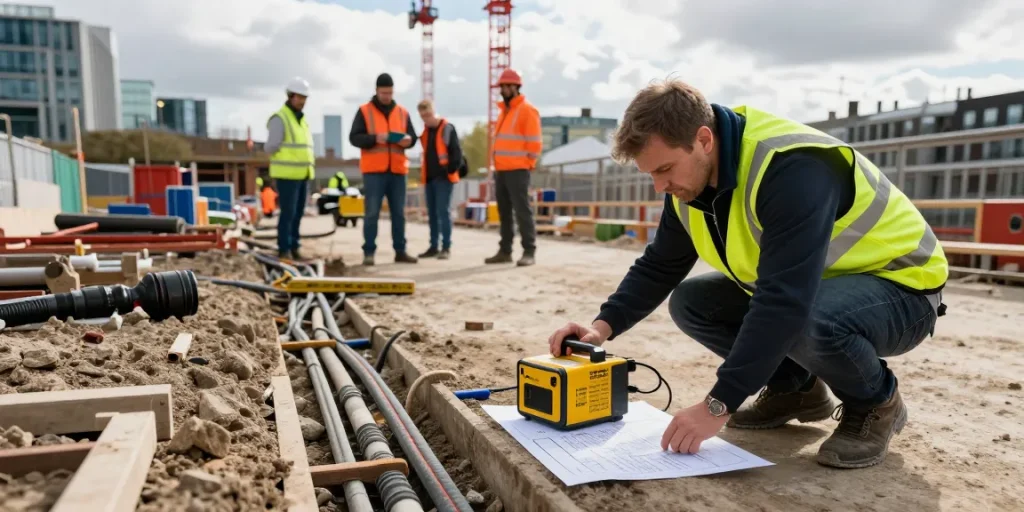
Understanding GPR Utility Surveys PAS128 Berkshire
Ground Penetrating Radar (GPR) utility surveys play a critical role in modern construction and infrastructure projects, particularly in densely populated areas like Berkshire. These surveys provide valuable insights into the presence and condition of underground utilities, which is crucial for planning excavation and reducing the risk of utility strikes. GPR Utility Surveys PAS128 Berkshire adhere to stringent standards, ensuring that the data collected is both accurate and reliable.
What are GPR Utility Surveys?
GPR utility surveys are non-invasive geophysical methods that employ radar pulses to penetrate the ground. By analysing the reflected signals from subsurface structures, GPR technology allows surveyors to identify various underground features, such as water pipes, gas lines, telecommunications infrastructure, and other utility networks. This method is especially beneficial in urban areas where traditional excavation techniques may pose risks to existing utilities.
Importance of PAS128 Compliance
The Publicly Available Specification 128 (PAS128) was developed to enhance the accuracy and usability of utility mapping information. Compliance with PAS128 ensures that surveys are conducted using recognised industry practices, which helps to safeguard public safety, reduce the likelihood of utility strikes, and mitigate project delays. This standard divides utility surveys into various levels, each addressing different aspects of utility mapping, from detection to verification.
Key Benefits of Using GPR Technology
- Non-invasive: Unlike traditional excavation, GPR surveys do not disturb the ground, making them ideal for urban environments.
- Real-time data: GPR technology provides immediate feedback during surveys, allowing for quick adjustments and better accuracy.
- Detailed mapping: The data collected can generate comprehensive maps of underground utilities, showing not only their locations but also their depths and types.
- Cost-effective: By identifying utility locations before excavation begins, GPR surveys can prevent costly damages and delays.
Steps Involved in Conducting a GPR Utility Survey
Pre-Survey Preparation and Planning
Before commencing a GPR survey, thorough preparation is vital. This includes conducting a desktop study to gather existing utility records, as-built drawings, and historical maps. Understanding the site’s history and existing conditions helps surveyors predict potential challenges and plan accordingly. Additionally, engaging with clients to clarify project expectations ensures that the survey will meet their specific needs.
Fieldwork: Data Collection Techniques
During fieldwork, GPR surveyors deploy advanced radar equipment across the site. As the radar pulses are transmitted into the ground, they encounter various subsurface materials and reflect back to the antenna. The collected data is interpreted in real-time, allowing surveyors to adjust their approach based on encountered obstacles or unexpected conditions. This adaptability is crucial for effective utility mapping.
Post-Survey Analysis and Reporting
Once the data collection phase is complete, the next step involves data processing and analysis. Surveyors use specialized software to interpret the radar data, generating maps that detail the locations and conditions of the detected utilities. These findings are compiled into a comprehensive report, which includes visual aids and recommendations for any required follow-up actions, such as further investigations or excavations.
Challenges in GPR Utility Surveys PAS128 Berkshire
Common Misconceptions About GPR Surveys
Many stakeholders incorrectly assume that GPR surveys can locate all underground utilities without exception. However, factors such as signal interference from metal objects, soil conditions, and the presence of non-conductive materials can affect the reliability of GPR results. Educating clients and stakeholders about these limitations is essential for setting realistic expectations about survey outcomes.
Technical Limitations and Solutions
Despite GPR’s advanced capabilities, there are technical limitations to consider. For instance, dense concrete or high-water content soils can dampen radar signals, making it challenging to detect certain utilities. To address these challenges, surveyors may use complementary technologies, such as electromagnetic induction (EM) or manual potholing, to verify the presence of utilities and improve accuracy.
Addressing Client Concerns in Utility Mapping
Clients often have concerns regarding the completeness and accuracy of utility mapping. To alleviate these worries, it’s crucial to provide them with detailed reports of the methodologies used, the limitations encountered, and a clear explanation of the PAS128 compliance. Establishing transparent communication fosters trust and reassures clients of the survey’s reliability.
Real-World Applications of GPR Utility Surveys
Case Studies in Berkshire and Surrounding Areas
Several successful projects in Berkshire illustrate the effective application of GPR utility surveys. For instance, a recent construction project in Reading utilised GPR to identify the location of extensive underground gas lines. By mapping these utilities accurately, the project team was able to proceed with excavation while mitigating risks, showcasing the essential role of GPR in modern construction practices.
Industries Benefiting from GPR Surveys
GPR surveys are invaluable across various industries, including:
- Construction: Ensures safe excavation and compliance with regulatory standards.
- Telecommunications: Assists in mapping fibre optic networks and infrastructure.
- Environmental Engineering: Aids in the assessment of subsurface contamination and remediation efforts.
- Transportation: Enhances planning for roadworks, railways, and other infrastructure projects.
Innovative Uses of GPR Technology
As technology advances, new applications for GPR continue to emerge. For example, it is now being used in archaeological investigations to locate buried artefacts without disturbing the site. This innovative use not only preserves historical integrity but also showcases the versatility of GPR technology in various sectors.
Future Trends in GPR Utility Surveys
Advancements in GPR Technology for 2026
Looking ahead, technological advancements in GPR are expected to enhance survey precision and efficiency. Innovations may include improved sensors, enhanced data processing algorithms, and integration with artificial intelligence to better interpret complex datasets. These advancements will further solidify GPR’s position as a leading technology for underground utility mapping.
Regulatory Changes and Impacts on Surveys
Future regulatory changes may introduce stricter compliance standards for utility surveys, making PAS128 adherence even more critical. As the industry evolves, staying abreast of these changes will ensure that surveyors maintain compliance while delivering high-quality services. Proactive engagement with regulatory bodies can provide valuable insights into upcoming requirements.
Emerging Practices in Utility Mapping
With the growing emphasis on sustainability and efficiency, new practices in utility mapping are emerging. For instance, the use of drone technology for aerial surveys combined with GPR data can enhance spatial accuracy, reduce survey times, and improve site safety. Adopting these practices positions surveyors at the forefront of technological advancements in the field.
How to Choose the Right GPR Surveyor?
Selecting an experienced GPR surveyor is essential for obtaining accurate and reliable results. Key considerations include:
- Qualifications: Verify certifications related to PAS128 and GPR technology.
- Experience: Look for surveyors with a proven track record in similar projects or industries.
- Equipment: Ensure they use advanced GPR technology and have access to the latest software for data analysis.
What is the Process for a PAS128 Utility Survey?
The PAS128 survey process involves several steps, from initial desktop studies to data collection and final reporting. Following industry best practices is key to ensuring compliance and delivering valuable insights to clients.
What Equipment is Used in GPR Surveys?
GPR surveys typically utilise a combination of radar systems, including antennas and control units, alongside complementary technologies like EM locators. Advanced equipment ensures high-resolution data is collected and analysed accurately.
How Does GPR Compare to Other Survey Methods?
Compared to conventional surveying techniques, GPR offers a non-destructive approach with minimal ground disturbance. While other methods may require excavation, GPR provides an efficient alternative that saves time and reduces risks associated with utility strikes.
What are the Costs Associated with GPR Surveys?
The costs of GPR surveys can vary significantly based on factors like the size of the survey area, the complexity of the site, and the technology used. It is advisable for clients to obtain detailed quotations that outline the services included to understand the investment fully.
Why is Underground Utility Mapping Essential?
Accurate underground utility mapping is critical for informed decision-making in construction and infrastructure projects. It prevents costly mistakes, ensures compliance with regulations, and enhances safety for workers and the general public.